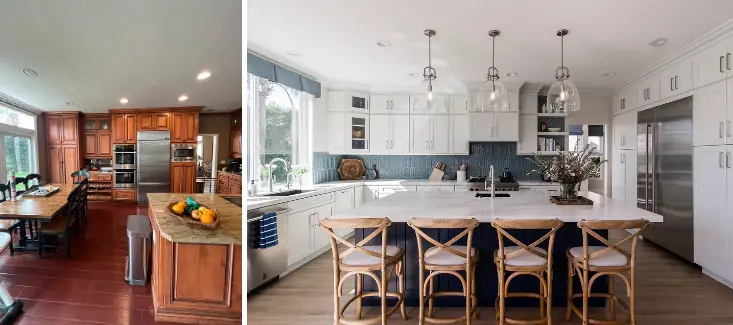
How to Plan a Home Renovation in Mission Viejo, CA: A Complete Homeowner’s Guide
Planning a home renovation is exciting, especially when you have been thinking about updating your living space for months or even years. Maybe your kitchen feels outdated, your bathroom needs a more modern design, or your entire home could benefit from a fresh look. Whatever your goals may be, a successful renovation starts with a good plan.
For homeowners in Mission Viejo, CA, renovating a property is an opportunity to improve everyday comfort, make better use of available space, update older features, and create a home that reflects their lifestyle. However, before choosing new cabinets, flooring, countertops, or paint colors, it is important to understand what the renovation involves, how much preparation is needed, and which professionals should be part of the process.
A well-planned home renovation can help prevent unnecessary expenses, reduce construction delays, and make the entire experience more manageable. Whether you are considering a kitchen remodel, bathroom renovation, flooring installation, interior painting, or a complete home makeover, having a clear plan will make a significant difference.
This guide explains how to plan a home renovation in Mission Viejo, CA, from setting your goals and preparing a budget to choosing materials, understanding permits, and selecting the right remodeling contractor.
1. Start by Identifying Your Home Renovation Goals
Before beginning any renovation project, take some time to understand what you want to accomplish. Every homeowner has different priorities. Some want a more attractive interior, while others need additional storage, improved functionality, or better use of their existing square footage.
Start by walking through your home and making a list of the areas that need attention. Look beyond cosmetic issues and consider how each room functions.
For example, you may notice that:
- Your kitchen has limited counter space and outdated cabinets.
- Your bathroom has old fixtures, poor lighting, or insufficient storage.
- Your living room feels crowded because of an inefficient layout.
- Your flooring has visible wear, scratches, or discoloration.
- Your interior walls need fresh paint and repairs.
- Your home needs better lighting or updated electrical features.
Once you identify these concerns, separate your renovation goals into essential improvements and optional upgrades.
Essential improvements may include repairing damaged surfaces, replacing failing fixtures, addressing plumbing concerns, or improving ventilation. Optional upgrades could include decorative lighting, custom cabinetry, premium countertops, or additional design features.
This distinction helps you focus your budget on the improvements that matter most.
2. Establish a Realistic Home Renovation Budget
Budget planning is one of the most important parts of any home remodeling project. Even a relatively small renovation can involve several expenses beyond the materials and labor you initially expect.
Your renovation budget should account for design work, construction labor, materials, permits when required, debris removal, and any necessary repairs discovered during the project.
For homeowners planning a home renovation in Mission Viejo, it is helpful to request detailed estimates before committing to a contractor.
Consider the following expenses:
- Materials such as flooring, cabinets, countertops, tile, and fixtures.
- Labor for demolition, installation, carpentry, plumbing, and electrical work.
- Design and planning services.
- Building permits and inspection fees, when applicable.
- Delivery charges and disposal of construction debris.
- Additional repairs that may become necessary once existing materials are removed.
It is also wise to reserve approximately 10% to 20% of your estimated construction budget for unexpected expenses. The appropriate amount depends on the age and condition of the property and the complexity of the renovation.
For instance, removing an old kitchen backsplash may reveal wall damage that needs repair before new tile can be installed. Similarly, replacing bathroom fixtures could uncover plumbing concerns that were not visible during the initial inspection.
A contingency fund gives you some financial flexibility without forcing you to compromise on important parts of the project.
Ask your remodeling contractor to explain what is included in the estimate, what is excluded, and how additional work will be approved and priced.
3. Decide Which Areas of Your Home Need Renovation
Not every renovation needs to involve the entire property. Depending on your needs and budget, you may achieve excellent results by focusing on one or two important areas.
Here are some of the most popular home remodeling services to consider.
Kitchen Remodeling in Mission Viejo, CA
The kitchen is one of the most frequently used areas of a home. It is where families prepare meals, gather throughout the day, entertain guests, and spend time together.
An outdated kitchen can make everyday activities less convenient. A kitchen remodel provides an opportunity to improve the layout, increase storage, update appliances, and create a more attractive environment.
Popular kitchen remodeling improvements include:
- Custom kitchen cabinet installation and replacement.
- Quartz, granite, or other countertop installation.
- Kitchen backsplash installation.
- Kitchen island design and installation.
- Sink and faucet replacement.
- Lighting and electrical upgrades.
- Flooring replacement.
- Pantry and storage improvements.
- Appliance installation and layout updates.
When planning a kitchen renovation, think about how you use the space. If several people regularly cook together, you may benefit from additional counter space and a more functional layout. If storage is a concern, consider taller cabinets, pull-out drawers, or customized pantry solutions.
Lighting is another important consideration. A combination of general lighting, task lighting, and decorative fixtures can make the kitchen more comfortable and practical.
Choose materials that complement the rest of your home’s interior while offering the durability needed for everyday use.
Bathroom Remodeling in Mission Viejo, CA
A bathroom renovation can make a noticeable difference in both comfort and appearance. Whether you have a small guest bathroom or a larger primary bathroom, thoughtful improvements can help make the space feel more functional and inviting.
Bathroom remodeling services may include:
- Shower remodeling and replacement.
- Bathtub replacement or installation.
- Bathroom vanity installation.
- Countertop replacement.
- Bathroom tile installation.
- Flooring upgrades.
- Toilet and faucet replacement.
- Lighting improvements.
- Mirror and storage installation.
- Ventilation improvements.
When designing a bathroom, pay attention to moisture resistance, proper ventilation, slip-resistant flooring, and easy-to-maintain surfaces.
For a more modern appearance, many homeowners consider walk-in showers, frameless glass enclosures, neutral-colored tiles, floating vanities, and updated fixtures.
However, the best bathroom design is not necessarily the most expensive one. A practical layout with quality materials and proper installation can create a beautiful result without unnecessary upgrades.
Before starting a bathroom remodel, discuss plumbing, electrical, waterproofing, and ventilation requirements with your contractor.
Whole-Home Remodeling
If multiple rooms feel outdated or your home’s layout no longer suits your lifestyle, whole-home remodeling may be worth considering.
A whole-house renovation allows you to coordinate improvements throughout the property rather than completing separate projects at different times.
Depending on the scope, services may include:
- Interior layout improvements.
- Kitchen and bathroom renovations.
- Flooring replacement.
- Interior painting.
- Lighting upgrades.
- Cabinet and storage improvements.
- Interior door replacement.
- Finish carpentry.
- General interior updates.
One advantage of a whole-home remodeling project is the ability to create a consistent design throughout your property. You can coordinate flooring, wall colors, cabinetry, lighting, and finishes to create a more cohesive appearance.
It is important to establish priorities before construction begins. Discuss which rooms should be completed first, how construction will affect your daily routine, and whether you will need temporary accommodations during certain phases.
Flooring Installation and Replacement
Flooring has a major influence on the appearance and functionality of your home. Worn or outdated flooring can make an otherwise attractive room feel neglected.
Replacing your flooring can give your interior a cleaner, more updated appearance while making everyday maintenance easier.
Common flooring options include:
- Luxury vinyl plank flooring.
- Porcelain and ceramic tile.
- Engineered hardwood.
- Laminate flooring.
- Natural stone flooring.
- Carpet for selected rooms.
Each material has different advantages. Luxury vinyl plank is popular for its variety of designs and relatively easy maintenance. Porcelain tile offers durability and is suitable for many areas where moisture resistance matters. Engineered hardwood provides a natural wood appearance with a construction designed for greater dimensional stability than traditional solid hardwood.
When choosing new flooring, consider your household’s daily activities, pets, children, maintenance preferences, and the existing subfloor condition.
A professional flooring assessment can help identify uneven surfaces, moisture concerns, or preparation requirements before installation begins.
Interior Painting and Wall Improvements
Fresh paint is one of the simplest ways to transform the appearance of a home. It can brighten dark rooms, create a more consistent interior design, and help older spaces feel refreshed.
Professional interior painting services may include:
- Wall and ceiling painting.
- Trim and baseboard painting.
- Door painting.
- Drywall patching and repair.
- Surface preparation.
- Primer application.
- Accent wall painting.
- Color coordination.
Before choosing paint colors, consider the natural lighting in each room. A color that looks warm and inviting in a bright room may appear different in a darker hallway.
Neutral colors, soft whites, warm grays, and earthy shades are common choices for homeowners who want a timeless interior.
Proper preparation is just as important as the paint itself. Filling holes, repairing damaged drywall, sanding rough areas, and applying suitable primer can help create a smoother and more consistent finish.
Home Additions and Space Improvements
Sometimes a home renovation requires more than replacing existing finishes. You may need additional living space, a larger room, or a different layout to accommodate changing family needs.
Depending on your property and project goals, possible improvements may include room additions, expanded living areas, or accessory dwelling units.
These projects typically involve more planning than cosmetic remodeling. Structural design, zoning considerations, setbacks, utility connections, and building permits may all be relevant.
Before moving forward, consult qualified design and construction professionals and contact the City of Mission Viejo to understand which applications and approvals apply.
4. Research Local Building Permits and Requirements
Understanding local building regulations is an essential part of planning a home renovation in Mission Viejo.
Some projects may be considered routine maintenance, while others require building permits, plan review, or inspections. The requirements depend on the type and scope of work.
For example, the City of Mission Viejo provides specific guidance for residential kitchen and bathroom remodels. Its building information explains that certain kitchen renovations involving cabinet relocation or replacement, countertops, sinks, islands, and electrical or exhaust hood changes require permits. Bathroom renovations involving changes to vanities, plumbing fixtures, lighting, or wallboard may also require permits.
If your project involves removing walls, changing windows, or modifying structural elements, additional plan review may be necessary.
Do not assume that a project is exempt from permits simply because it is happening inside your home.
The City of Mission Viejo processes permit and planning applications through its online Client Self Service system. Homeowners and contractors can use the portal to submit applications, upload plans, pay fees, and schedule inspections.
Before construction begins:
- Identify the complete scope of your renovation.
- Ask your contractor which permits may be required.
- Review the City’s current building requirements.
- Prepare the necessary plans and supporting documents.
- Obtain the required approvals before starting regulated work.
- Schedule inspections as required.
For accurate and current information, visit the official City of Mission Viejo website or contact the Building Services Division.
Taking care of permits early can help prevent avoidable delays and complications during construction.
5. Choose Materials That Match Your Lifestyle
Selecting materials is one of the more enjoyable parts of a home renovation, but it is also a decision that deserves careful thought.
A material may look beautiful in a showroom but may not be the best choice for your household’s everyday needs.
For example, a busy family may prefer durable flooring that is easy to clean. Homeowners who cook frequently may want countertops that can handle regular food preparation and cleaning. A bathroom used by children may benefit from practical storage and flooring with appropriate slip resistance.
Consider these factors when selecting renovation materials:
Durability: Choose products that can withstand regular use and are suitable for the intended application.
Maintenance: Think about how much cleaning and upkeep each material requires.
Appearance: Select colors, textures, and finishes that work together rather than competing with one another.
Budget: Compare material costs, installation requirements, and long-term maintenance expenses.
Availability: Confirm delivery schedules before finalizing your construction timeline.
It is also a good idea to request physical samples. Flooring, countertops, tiles, and paint colors can look different under the lighting conditions inside your home.
6. Find the Right Home Remodeling Contractor
Choosing the right contractor can have a major influence on your renovation experience.
A qualified professional should understand your goals, explain the construction process, provide clear project information, and communicate throughout the work.
When comparing home remodeling contractors in Mission Viejo, CA, consider the following:
- Verify the contractor’s California license through the Contractors State License Board.
- Ask about experience with projects similar to yours.
- Review examples of completed renovation work.
- Request references from previous customers.
- Confirm insurance coverage.
- Ask for a written contract and detailed estimate.
- Discuss project scheduling and payment terms.
- Understand how changes and additional work will be handled.
Do not choose a contractor based on price alone. An unusually low estimate may leave out important preparation, materials, or construction tasks.
A good contractor should be willing to explain the scope of work rather than simply providing a total price.
You should also feel comfortable asking questions. Renovations involve many decisions, and clear communication helps everyone understand what is expected.
7. Create a Practical Renovation Timeline
A home renovation involves several stages, and each stage depends on the successful completion of earlier work.
The exact schedule varies according to project size, material availability, permit requirements, and construction complexity.
A typical renovation may include:
Planning and consultation: Discuss your goals, review the property, establish a budget, and determine the project scope.
Design and material selection: Finalize layouts, measurements, colors, finishes, fixtures, and other selections.
Permits and preparation: Submit the necessary applications, obtain approvals, order materials, and prepare the work area.
Demolition: Remove existing cabinets, flooring, fixtures, or other materials included in the renovation.
Construction and installation: Complete necessary repairs, rough plumbing or electrical work, cabinetry, flooring, tile, and other improvements.
Finishing work: Complete painting, trim, fixture installation, hardware, and final adjustments.
Final inspection and walkthrough: Review the completed work, address outstanding items, and confirm that required inspections have been completed.
Ask your contractor for a project schedule that identifies major milestones. It should also explain which tasks depend on deliveries, inspections, or other trades.
Remember that the timeline is an estimate, not an absolute guarantee. Planning for reasonable flexibility can make the process less stressful.
8. Prepare Your Home Before Construction Begins
Renovation work can temporarily disrupt your normal routine. Preparing your home in advance can make the experience easier for everyone.
If your kitchen is being remodeled, establish a temporary food preparation area. Keep basic appliances, dishes, and essential supplies somewhere convenient.
For bathroom renovations, make arrangements for access to another bathroom if necessary.
You should also:
- Remove furniture and personal belongings from construction areas.
- Protect valuable or fragile items.
- Identify a safe place for children and pets away from construction.
- Discuss working hours and property access with your contractor.
- Confirm where materials and construction debris will be stored.
- Ask how dust and surrounding surfaces will be protected.
Good preparation helps keep the work area organized and reduces the chance of accidental damage to belongings.
9. Focus on Energy Efficiency and Long-Term Value
A renovation is a good opportunity to consider improvements that may make your home more comfortable and efficient.
Depending on the project, you may want to explore energy-efficient lighting, improved ventilation, efficient plumbing fixtures, suitable insulation, and modern appliances.
For kitchen renovations, consider appliances that meet your household’s needs while using energy efficiently.
For bathroom remodeling, properly selected water-efficient fixtures can help reduce water use without sacrificing everyday convenience.
For larger renovations, discuss insulation, heating and cooling performance, and other improvements with qualified professionals.
It is important to understand that the value of an upgrade depends on the property, the quality of installation, local market conditions, and the preferences of future buyers. Not every renovation produces the same financial return.
The best approach is to balance long-term practicality with improvements you will enjoy while living in your home.
10. Avoid Common Home Renovation Planning Mistakes
Even well-intentioned homeowners can encounter problems when important decisions are made too quickly.
Here are some common mistakes to avoid:
Starting without a clear plan: Beginning demolition before finalizing the design can lead to expensive changes and unnecessary delays.
Underestimating the budget: Forgetting about labor, permit fees, material delivery, and unexpected repairs can put pressure on your finances.
Ignoring permit requirements: Starting regulated work without the necessary approvals can result in delays, additional expenses, and compliance problems.
Choosing materials too late: Delayed material selections can affect the construction schedule.
Hiring based only on price: A low estimate does not necessarily represent the best overall value.
Making frequent design changes: Changing layouts, fixtures, or materials after construction begins can increase costs and extend the timeline.
Overlooking functionality: A beautiful space should also work well for your daily routine.
The simplest way to avoid many of these issues is to make important decisions before construction begins and maintain clear communication with your remodeling team.
11. Complete a Thorough Final Walkthrough
When the renovation is nearly finished, take time to inspect the completed work with your contractor.
Do not rush this stage. Walk through each renovated area and compare the results with the agreed project scope.
Check that:
- Cabinets and drawers open and close properly.
- Doors and hardware are installed correctly.
- Flooring transitions are neat and secure.
- Countertops and backsplashes have clean finishes.
- Faucets and plumbing fixtures operate correctly.
- Lighting and electrical features function as intended.
- Paint and trim finishes are consistent.
- The work area has been cleaned.
- Required inspections and documentation have been addressed.
If you notice incomplete work or items that need correction, document them and discuss a reasonable completion plan with your contractor.
Keep copies of contracts, permits, inspection records, product information, warranties, and any applicable maintenance instructions.
These documents may be helpful if you need future repairs or decide to sell your property.
Why Careful Planning Matters for a Home Renovation in Mission Viejo
A successful renovation is about more than choosing attractive finishes. It requires thoughtful planning, realistic budgeting, appropriate permits, quality materials, and skilled workmanship.
For homeowners in Mission Viejo, taking the time to understand local building requirements and coordinate each stage of construction can make the entire process more manageable.
Whether you are planning a kitchen remodel, bathroom renovation, flooring installation, interior painting project, or complete home remodeling service, start with a clear understanding of what you want to achieve.
Focus on improvements that make your home more comfortable, functional, and suited to your lifestyle. Work with qualified professionals, ask questions, and make important decisions before construction begins.
Frequently Asked Questions About Home Renovation in Mission Viejo, CA
1. How do I start planning a home renovation in Mission Viejo?
Begin by identifying which areas of your home need improvement. Establish your budget, determine your priorities, research materials, and consult a qualified remodeling contractor. You should also review local permit requirements before starting construction.
2. Do I need a permit for a kitchen remodel in Mission Viejo?
Some kitchen remodeling projects require permits, particularly when they involve cabinets, countertops, sinks, islands, electrical changes, or exhaust hood modifications. The City of Mission Viejo provides specific residential kitchen remodeling guidance. Confirm the current requirements for your exact project before beginning work.
3. Do bathroom renovations require permits?
Many bathroom renovations require building permits, particularly when plumbing fixtures, lighting, vanities, or wallboard are replaced or modified as part of the project. Requirements depend on the work being performed. Contact the City’s Building Services Division for clarification.
4. How much should I budget for a home renovation?
The cost depends on the size of the project, materials, labor, existing property conditions, and the complexity of the work. Request detailed estimates and set aside an additional contingency amount for unexpected expenses.
5. How long does a home remodeling project take?
The timeline depends on the renovation scope, design complexity, material availability, permit approvals, and construction requirements. A small cosmetic update may take considerably less time than a whole-home renovation. Your contractor should provide a project-specific schedule.
6. Which home renovation projects add the most value?
Kitchen and bathroom improvements, flooring updates, fresh interior paint, and functional layout improvements are popular among homeowners. However, actual resale value depends on the property, neighborhood, market conditions, and quality of the renovation.
7. How can I choose a reliable remodeling contractor in Mission Viejo?
Check the contractor’s California license, insurance, experience, customer references, and previous projects. Request a detailed written estimate and contract. Make sure the contractor explains the project scope, payment schedule, expected timeline, and process for handling changes.
8. Can I renovate my entire home in stages?
Yes. Many homeowners complete renovations in phases to manage their budgets and reduce disruption. For example, you might begin with the kitchen, move on to the bathrooms, and complete flooring and painting afterward. Coordinating the overall design in advance can help maintain consistency between phases.
Start Planning Your Mission Viejo Home Renovation Today
Your home should support the way you live, from the kitchen where you prepare meals to the bathroom where you begin and end each day. If your current space no longer meets your needs, a thoughtfully planned renovation can help you make the most of your property.
Whether you need kitchen remodeling, bathroom remodeling, flooring installation, interior painting, or complete home renovation services, the right planning and professional guidance can help turn your ideas into a finished space you will enjoy for years.
Take the first step by discussing your renovation goals, exploring design possibilities, and requesting a detailed project consultation. With a clear plan and the right remodeling team, creating a more comfortable and beautiful home in Mission Viejo, CA, can become an achievable goal.